Know your Volusia County evacuation zone, where shelters open, how Daytona Beach sandbags work and which storm supplies are tax-free. Emergency Management: 386-254-1500.
Last checked Oct. 8, 2026. Facts on this page come from Volusia County Emergency Management, the City of Daytona Beach 2026 Hurricane Preparedness Guide and the Florida Department of Revenue. Hurricane season runs June 1 to Nov. 30.
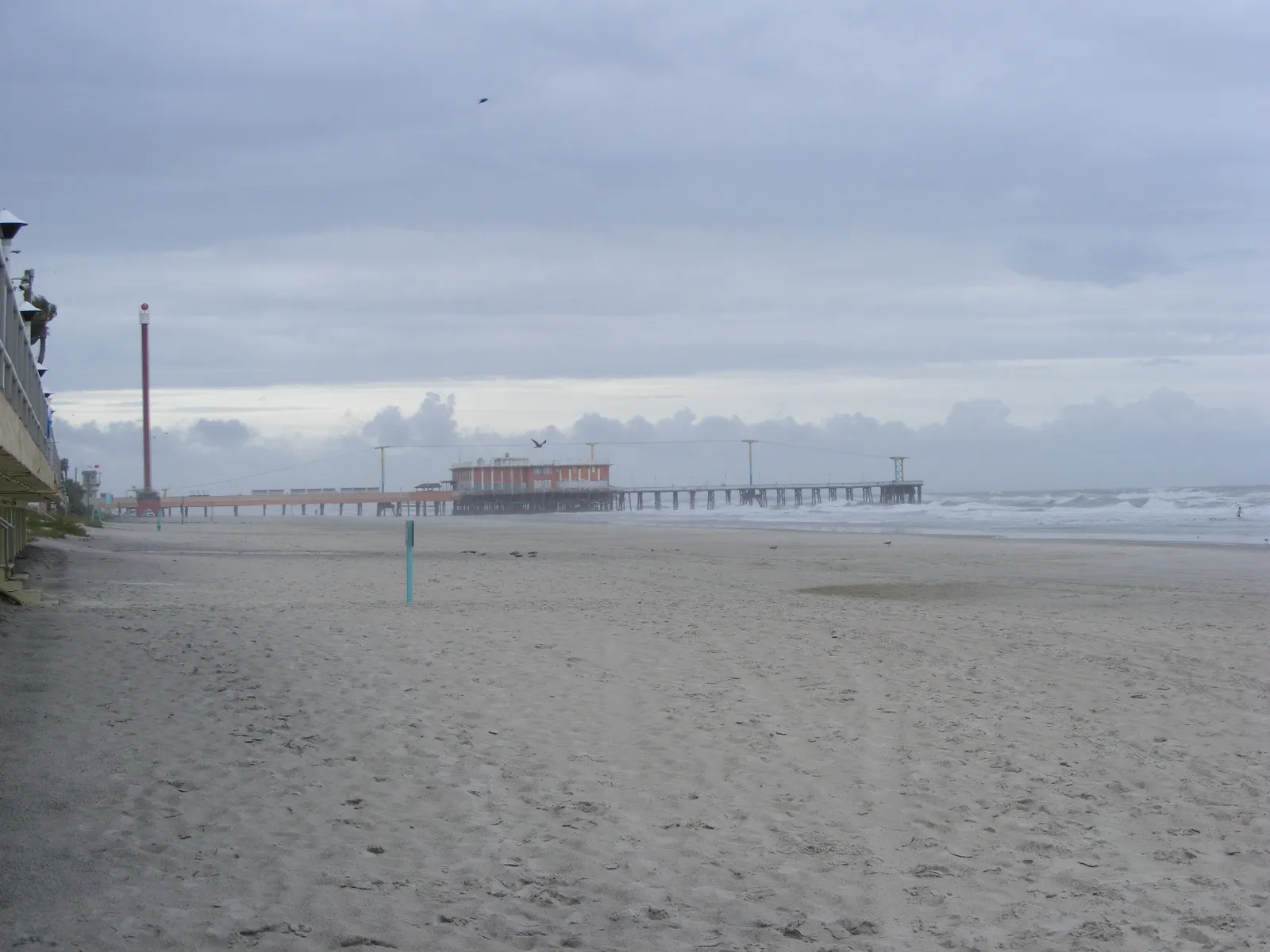
Daytona Beach sits between the Atlantic Ocean and the Halifax River, and Volusia County calls storm surge the most deadly hurricane hazard. Volusia County orders evacuations and opens shelters; the City of Daytona Beach runs sandbag sites, debris pickup and city alerts. Forecasts and warnings for the area come from the National Weather Service in Melbourne.
Who to call
- Emergency: 911
- Volusia County Emergency Management: 386-254-1500
- Citizens Information Hotline (only during an emergency): 866-345-0345
- Votran rides to shelters: 386-322-5100 (Daytona Beach)
- City alerts: DaytonaBeach.gov/Alerts; county updates at volusia.org/PIN
- Forecasts and warnings: National Weather Service Melbourne
Know your zone
Look up your address on the county’s interactive evacuation zone map. The zones are based on the risk of storm surge and flooding. Depending on a storm’s track and strength, county officials order one of three evacuation levels: A, BC or DE. The city’s storm guide lists the zone labels used locally: A, AB, B, BC, C, D and DE.
Evacuate, the county says, if:
- your home is in the zone that has been ordered out;
- you live in a low-lying or flood-prone area, including along river basins; or
- you live in a mobile home, substandard housing, an RV or a campsite. These must leave for every evacuation level, wherever they are.
Failing to obey an evacuation order is a violation of Florida law. Storm surge, the county notes, can reach 7 feet above sea level in a Category 1 hurricane and as much as 28 feet in a Category 5.
The bridges. When an evacuation is ordered, the county says, eastbound bridge lanes close to traffic. Westbound lanes stay open until sustained winds pass 39 mph, then all lanes close. Beachside residents should plan to cross before that happens.
Shelters
Volusia County keeps a list of public shelters but opens them based on demand, and not all open at once, according to its shelter information page. To find out which are open, check volusia.org/PIN, the county’s emergency app, or the hotline at 866-345-0345 once it is activated.
- Getting there: Votran and the Volusia County School Board give free rides to general public shelters, with pickups at every regular Votran bus stop. Call 386-322-5100.
- Pets: some shelters are pet friendly, with people and pets housed separately.
- What to bring: bedding and a beach chair or sleeping pad (general shelters have no cots), medications, special food, water, and something to pass the time. Plan for 24 to 72 hours.
- Special needs: residents who need help because of a disability or supplemental oxygen should register in advance for the county’s special needs shelter program. Special needs shelters are not for people who need a hospital bed, ventilator or 24-hour care.
Sandbags
The City of Daytona Beach opens free, self-serve sandbag sites when a storm is approaching, according to its storm guide. The limit is 10 bags per vehicle, and you must bring your own shovel. Dates, times and places are posted on DaytonaBeach.gov and the city’s social media as a storm nears. Fill each bag one-half to two-thirds full (about 35 to 40 pounds), leave the top untied, and lay them like bricks across doors and garage openings.
Tax-free storm supplies
Florida’s short hurricane sales tax holidays are over. Since Aug. 1, 2025, these supplies are exempt from sales tax all year, according to the Florida Department of Revenue’s Tax Information Publication 25A01-05 (PDF):
- Portable generators producing 10,000 running watts or less
- Batteries in AA, AAA, C, D, 6-volt and 9-volt sizes
- Waterproof tarps of 1,000 square feet or less
- Portable gas or diesel cans of 5 gallons or less
- Ground anchor systems and tie-down kits
- Carbon monoxide alarms, smoke detectors and fire extinguishers
- Life jackets, insect repellent, sunscreen and bicycle helmets
After the storm
- Treat a dark traffic signal as a four-way stop.
- Run a generator outside, plugged straight into appliances; never into the house wiring. Back-fed generators have killed utility line workers.
- Most homeowners policies do not cover flooding from rising water; flood insurance is a separate policy.
- Repairs need permits. The city publishes a post-storm recovery permitting guide.
- Report outages to your utility: see power outages.
What this means for you
- Look up your zone today and save the map link.
- Beachside residents: the bridges close to eastbound traffic as soon as an order is given.
- Sandbag sites open only when a storm is coming; bring a shovel.
- Generators, batteries and tarps are tax-free all year in Florida.
Related: power outages, who to call at City Hall and road closures.
Frequently asked questions
How do I find my evacuation zone in Volusia County?
Look up your address on Volusia County’s interactive evacuation zone map. Zones are based on storm surge and flooding risk, and the county orders evacuations by level: A, BC or DE.
Where are hurricane shelters in Daytona Beach?
Volusia County opens shelters based on demand, and not all open at once. Openings are posted at volusia.org/PIN, on the county emergency app and on the Citizens Information Hotline, 866-345-0345, which runs only during an emergency.
Where can I get sandbags in Daytona Beach?
The city opens free self-serve sandbag sites when a storm is approaching, with a 10-bag limit per vehicle. Bring your own shovel. Dates and places are posted on DaytonaBeach.gov and the city’s social media.
Is there a hurricane sales tax holiday in Florida?
Florida replaced the holiday with a permanent exemption on Aug. 1, 2025. Portable generators up to 10,000 running watts, common batteries, tarps, gas cans up to 5 gallons and other supplies are tax-free all year.
When does hurricane season end?
The Atlantic hurricane season runs June 1 to Nov. 30.
Have your say